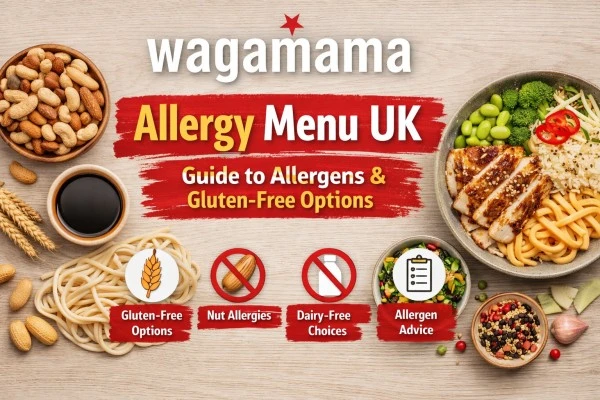
Wagamama Gluten Free Menu UK (2026 Guide to Gluten-Free Dishes)
Last Updated: September 2026
Eating out with gluten intolerance can be challenging, especially when restaurants serve dishes that contain noodles, sauces, and fried ingredients. Many people in the UK search for restaurants that offer gluten-free options while still providing flavourful meals.
If you’re planning to visit Wagamama, you may be wondering which menu items are safe for people avoiding gluten.
In this guide we cover everything you need to know about the Wagamama gluten free menu in the UK, including:
- Gluten-free dishes available at Wagamama
- Which menu items contain gluten
- How the restaurant handles gluten allergies
- Tips for ordering gluten-free meals safely
- Popular gluten-free dishes customers choose
Whether you have coeliac disease, gluten intolerance, or simply prefer gluten-free food, this guide will help you navigate the Wagamama menu more confidently.
Compare calories: most gluten-free dishes have the same calories as the standard menu, but three ramens are different. See the full comparison in our Wagamama gluten-free calories section.
Does Wagamama Offer Gluten-Free Options?
Yes, Wagamama offers several menu items that can be suitable for customers avoiding gluten. While the restaurant does not operate a completely gluten-free kitchen, it provides detailed allergen information so customers can identify dishes that contain gluten.
Some meals are naturally gluten-free, while others may be modified by removing certain ingredients.
Because many Wagamama dishes include noodles or soy-based sauces, it is important to check allergen information before ordering.
What Is Gluten?
Gluten is a protein found in certain grains, including:
- wheat
- barley
- rye
Many common foods such as noodles, bread, and sauces contain gluten. For people with coeliac disease or gluten intolerance, eating gluten can cause digestive discomfort and other health issues.
As a result, many restaurants now provide gluten-free menu options or allergen guides to help customers choose suitable meals.
What’s Actually On Wagamama’s Gluten-Free Menu
Wagamama runs a dedicated “Gluten Free” category on its own menu, separate from the vegan and vegetarian filters — so gluten-free dishes aren’t something you have to guess at from the standard menu. Here’s what’s actually in it, by name.
Grilled Chicken Ramen — Made With Rice Noodles
Wagamama’s Grilled Chicken Ramen (marinated chicken breast, rice noodles, rich chicken broth, pea shoots, spring onion; 494 kcal; contains soya) sits in the official gluten-free category. That’s worth calling out directly: it’s made with rice noodles rather than the wheat noodles used in most of the ramen range, so “ramen isn’t gluten-free at Wagamama” is only true of the standard bowls — not this one.
The 12 New Gluten-Free Dishes From The June 2026 Relaunch
Wagamama’s 17 June 2026 summer menu relaunch added 26 new dishes and drinks, 12 of them gluten-free. The ones named in the official announcement and trade coverage are:
- Gluten-free chicken firecracker
- Gluten-free prawn firecracker
- Gluten-free tofu firecracker
- Gluten-free grilled duck donburi
- Spicy smashed cucumber (side)
- Gluten-free chicken + prawn turmeric rice bowl
Wagamama hasn’t published an itemised list of the remaining six, so we’re not going to guess at names that aren’t confirmed — the honest answer is that the June 2026 refresh expanded gluten-free options further across the curry and rice bowl ranges. We’ll update this list with full names as soon as Wagamama publishes one.
Rice-Based Curries And Donburi
Beyond the dishes named above, rice-based curries and donburi bowls remain the safest starting point on the standard menu — they avoid the wheat noodles and breaded coatings that rule out most of the ramen, udon and katsu range. Always check the specific dish and its sauce against the current allergen guide, since recipes and availability change between menu refreshes.
Menu Items That Usually Contain Gluten
Many popular Wagamama dishes contain gluten due to the use of wheat noodles or breaded coatings.
Examples include:
- most ramen noodle bowls (standard wheat noodles — the Grilled Chicken Ramen is the gluten-free exception, made with rice noodles)
- udon noodle dishes
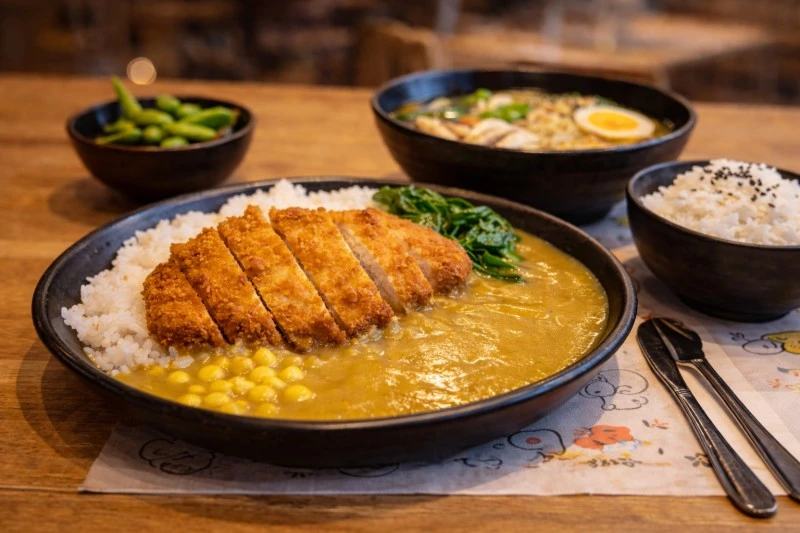
- katsu curry with breaded chicken
- tempura items
These dishes usually contain wheat-based ingredients, so they are not suitable for gluten-free diets unless modified.
How Wagamama Handles Gluten Allergies
Wagamama shares allergen information through an interactive allergen tablet, available in restaurant and online, which lists ingredients for every dish so you can check gluten and the other 13 legally mandated allergens before ordering.
The restaurant also publishes a full allergen guide, with a separate version for Northern Ireland restaurants.
Because dishes are prepared in shared kitchens, some carry a “may contain” warning — Wagamama’s own wording is that “whilst the allergen has not been intentionally added to the recipe or dish, there may be a risk of traces of the allergen from the manufacturer, handling, storage or cooking processes.” Staff can modify some recipes to remove or replace certain ingredients, but this isn’t guaranteed for every dish.
Wagamama’s own guidance is to tell your server about a food allergy or intolerance before you order, on every visit — not just the first time.
Tips for Ordering Gluten-Free at Wagamama
If you want to reduce the risk of gluten exposure, consider these tips when ordering.
Check the Allergen Guide
The allergen guide provides detailed ingredient information for each dish.
Inform Your Server
Always inform your server about your gluten intolerance or allergy.
Choose Rice-Based Meals
Rice dishes often contain fewer gluten ingredients compared with noodle dishes.
Avoid Breaded Items
Breaded dishes such as katsu curries typically contain wheat.
Following these steps can help you choose safer menu items.
Gluten-Free vs Gluten-Friendly
It is important to understand the difference between gluten-free and gluten-friendly.
Gluten-Free
Foods labelled gluten-free should contain no gluten ingredients.
Gluten-Friendly
Some restaurants use the term gluten-friendly to describe dishes that do not contain gluten ingredients but are prepared in shared kitchens.
Because Wagamama prepares meals in shared kitchens, dishes may be considered gluten-friendly rather than completely gluten-free.
Is Wagamama Safe for People With Coeliac Disease?
People with coeliac disease must avoid even small amounts of gluten.
Because Wagamama kitchens use shared cooking equipment, there is a possibility of cross-contact between ingredients.
For this reason, customers with coeliac disease should discuss their dietary needs with staff before ordering and review the allergen guide carefully.
Frequently Asked Questions
Does Wagamama have gluten-free food?
Yes, some dishes may be suitable for customers avoiding gluten, particularly rice-based meals. Always check the allergen guide before ordering.
Are Wagamama noodles gluten-free?
Most Wagamama noodles contain wheat and are not gluten-free.
Is Wagamama Ramen Gluten-Free?
Standard ramen isn’t, but one is: the Grilled Chicken Ramen is made with rice noodles rather than wheat noodles and sits in Wagamama’s official gluten-free menu category. Every other ramen bowl uses wheat noodles unless Wagamama states otherwise.
Can people with gluten intolerance eat at Wagamama?
Yes, but it is important to check allergen information and inform staff before ordering.
Is Wagamama suitable for coeliac disease?
Because the kitchen prepares food using shared equipment, cross-contamination may occur. Customers with coeliac disease should speak with staff before ordering.
Final Thoughts
The Wagamama gluten free menu offers several options for customers who need to avoid gluten, particularly rice-based dishes and simple vegetable meals.
Although many noodle dishes contain wheat, the restaurant provides allergen information to help customers identify suitable meals.
If you have gluten intolerance or coeliac disease, reviewing the allergen guide and speaking with restaurant staff can help ensure a safer dining experience.
With careful planning, it is still possible to enjoy a meal at Wagamama while following a gluten-free diet.you can also visit Wagamama Menu Guides for complete guide